


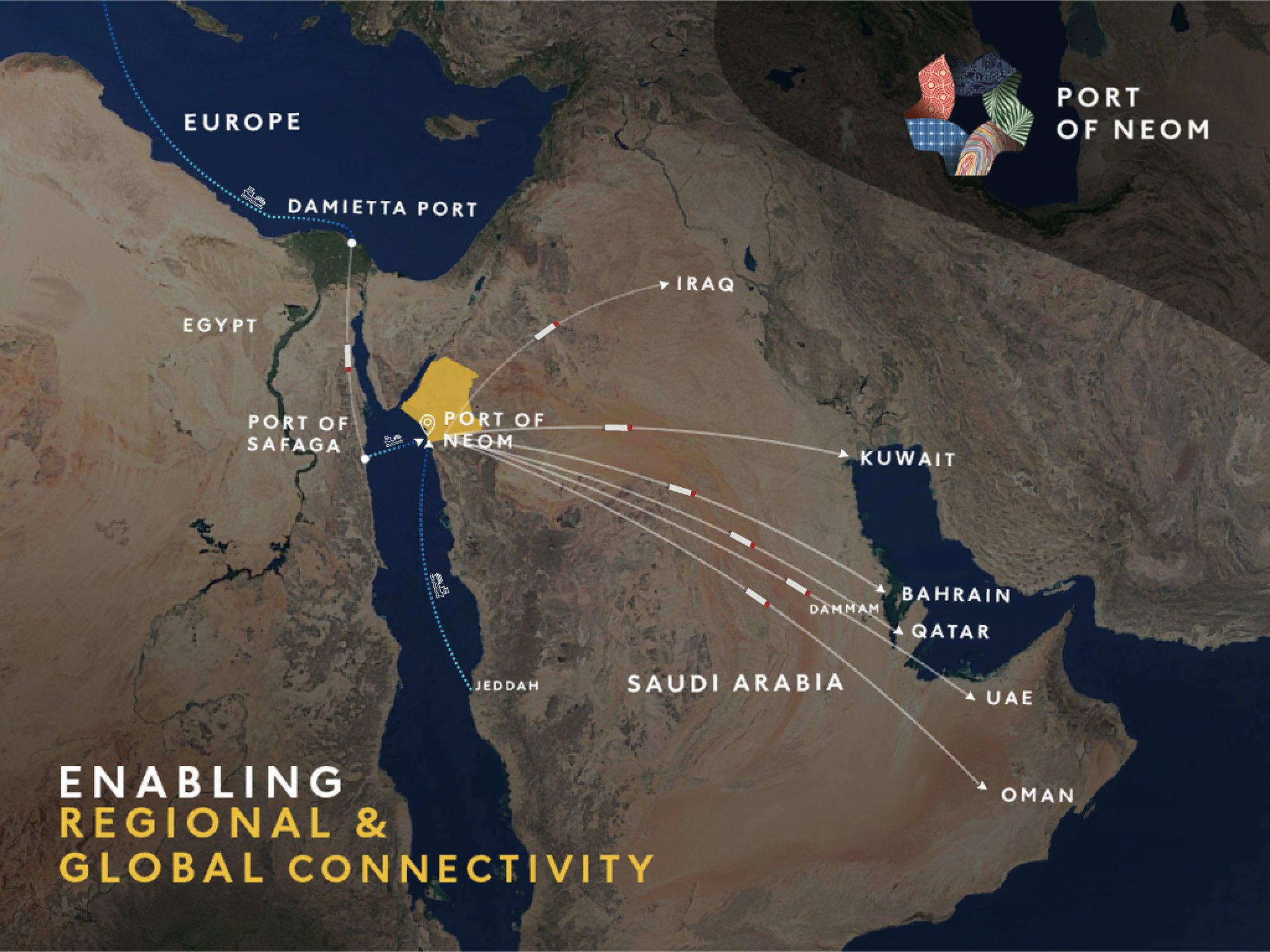
The alternative route through NEOM connects via Egyptian ports and offers a safer path for European imports to GCC countries while Iran has effectively closed the Strait. This undercuts the viability of Hormuz transits, particularly with ongoing US-Iran tensions. The Strait of Hormuz Ship Transit April market, which asks whether 10 ships will transit the strait on any day from April 8 to April 12, could decline further as traders price in the new corridor.
With NEOM’s operational corridor reducing dependence on the Strait, odds for Strait of Hormuz Traffic Normalization face a steeper climb. The market for traffic normalization by April’s end is harder to reach now that a sustained alternative route exists. Iran’s leverage over the Strait as a chokepoint weakens, which feeds directly into markets tied to regional trade flows and stability.
The port is “fully operational and strategically located on the Red Sea, enabling seamless cargo movement across land and sea.”
NEOM said the port’s operational network is designed to support faster cargo movement and respond to growing demand across regional markets.
Read the full story at Al Arabiya and CryptoBriefing